Physical Address
304 North Cardinal St.
Dorchester Center, MA 02124
Physical Address
304 North Cardinal St.
Dorchester Center, MA 02124

A lot of people are curious, and they ask, can you be allergic to weed? Is it possible to trigger symptoms of allergies?
Approximately 3.9% of the entire population, or about 192 million people, use and consume Cannabis for both recreational and medical purposes. Therefore, it is just right that you are aware of whether cannabis can trigger a severe allergic response, so you can be aware of it.
So, in this guide, I’ll go ahead and provide information on whether people can experience an allergic reaction to marijuana or not!
The short and easy answer to that is yes — you can be allergic to marijuana. It’s just like other allergies where exposure to it can lead to mild-to-severe allergic reactions.
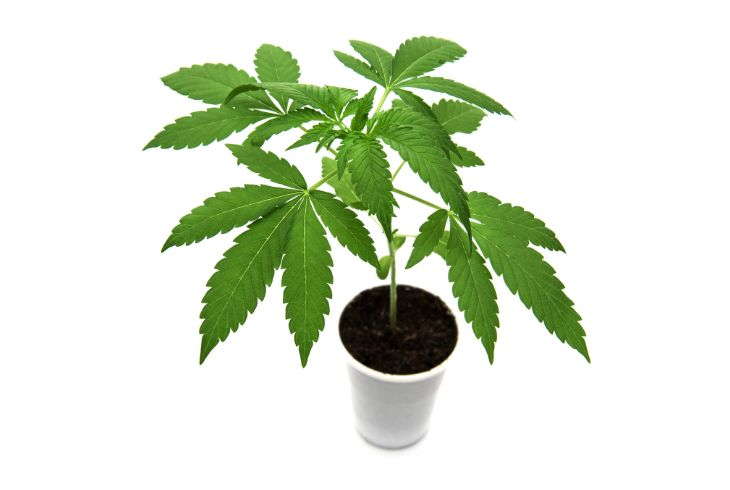
Prior to discussing marijuana allergy in-depth, let us first look at the plausible reason why it occurs.
The cannabis plant, like many other plants, contains allergens. These allergens are the ones responsible for the allergic reaction triggered.
In 2018, a study was done stating that people who are allergic to marijuana are most likely the people who are allergic to dust mites, plants, molds, and pet dander.
Moreover, Dr. Purvi Parikh, M.D., New York City Board-Certified Allergist, says that another allergen with the main risks linked to marijuana is molding.
Weed allergy cases remain uncommon – for now. It’s likely weed allergy has been around for years but went unreported due to marijuana’s illegal status.”
As per the AAAI, in the Southwest region of the United States, male plants pollinate female plants, resulting in the spread of allergens through the air.
This puts workers and employees in the marijuana industry to be at risk for marijuana sensitization.

Yes, it is possible to have a recreational or medical marijuana allergy, as stated above. In fact, the American Academy of Allergy, Asthma, and Immunology or AAAAI said that allergic sensitization or weed allergy could develop after being exposed to the plant.
And in case you’re asking if it involves both the live plant or the processed plant, then yes, it is the same.
As per the organization, cannabis allergens can be passed on to people in any of the following ways:
Well, if you thought that food allergies were the worst, no! Kidding aside, marijuana allergies are rampant, too, so be sure to take extra precautionary measures before smoking, eating, touching, or being near cannabis.
NOTE: It doesn't matter if it's cannabis sativa or cannabis indica. They're both the same species; they have similar protein properties, so that the effects would be the same.
Let’s take a step back and look at the history of marijuana allergy.
The condition was first described and observed about 50 years ago when people started to report experiencing difficulty breathing, rhinitis, conjunctivitis, and asthma. Take note that these were due to industrial contact.
There were even people who experienced an anaphylactic shock when exposed to cannabis and hemp seeds!
From then on, members from various nations tackling allergies, asthma symptoms, and immunology formed the Cannabis Allergy Interest Group (CAIG), which helped in developing an action plan which came up with a protocol that would lead to diagnosis and treatment.

It’s a rare, severe type of allergic reaction that explodes in the body. What happens is, that the patient will experience either a drop or a rise in blood pressure, the airways will become narrower or more restricted, the skin will be filled with multiple rashes, etc.
This is not a common occurrence. In fact, Anaphylaxis only occurs in one (1) of 50 Americans. And although it’s rare, this is a condition that needs immediate medical help and assistance.
When anaphylaxis hits you, you need to be brought to the Emergency Room (ER) immediately. The only first aid you can do is through an Epinephrine auto-injector, after which you’ll still need to go to the nearest hospital to get the best treatment possible.

Akin to any other type of allergy, symptoms would trigger in the case of several outlets. It’s not like you would only be exposed to it when you consume it directly.
So, how do you know if you’re allergic to marijuana? Let me discuss further what the symptoms are, as well as to what extent allergic reactions will be depending on the type of exposure.
Yes! You read that right. The simple act of touching the plant can cause an allergic reaction, especially if the patient has underlying skin conditions or a weak immune system.
Skin reaction could be delayed or instant, but exposure to the plant via touch can result in:
In 2007, a study about skin prick test methods unveiled that cannabis allergy can cause contact dermatitis or any of these skin irritations.
These are the common symptoms people reported to have experienced when they touched and got in contact with marijuana.

Other than just touching it, marijuana allergy can also show itself when the patient or the user consumes the cannabis.
This is where the danger is because consuming something you’re not supposed to can trigger a severe allergic reaction, which will never be pretty.
The most common symptoms of marijuana allergies upon consumption include:
NOTE: The immune system, depending on your health or condition, can also cause a few reactions or responses.

Last, and most definitely not least, would be its airborne transmission. The plant, having cannabis pollen and distinct physical attributes, can lead to mild allergic reactions — or worse, severe symptoms wherein you’ll need to seek medical treatment.
Common indications of cannabis allergies in this form of exposure include:
NOTE: Marijuana products that cause allergies aren't due to more THC or CBD content or cannabinoids. Other experts point their fingers at marijuana proteins as it can be a factor, too.

You know what they say, right? Prevention is ALWAYS better than cure — and the same goes for cannabis allergies. But what if you are no longer able to prevent it?
As much as possible, limit exposure to marijuana plants or anything that resemble marijuana proteins. Here are a few important factors you might want to consider to treat symptoms or to make them milder.
For all of you who still have some time, here are a few of the best and most effective preventative measures you can do to avoid marijuana allergies.
Marijuana allergy is not a laughing matter. As a matter of fact, there is a possibility of cross-reactivity. This can happen when the marijuana plant resembles proteins of another plant or food.
Be careful in consuming one or any of the following:
FAQs:
Have more questions about marijuana allergy symptoms or marijuana allergy treatment? Here are some of the frequently asked questions about them!
You’ll know that you are allergic to marijuana if you show signs and symptoms of rash, runny nose, itchy nose, skin irritation, difficulty breathing, as nauseous episodes, dry cough, and even sore throat when you touch, consume or inhale pollens of the cannabis plant.
Unless you are allergic to cannabis sativa, indica, or another hybrid strain, your allergies won’t worsen. However, smoking weed can flare up your airways and initiate asthma attacks, so be careful.
A simple touch to the cannabis plant can trigger allergic reactions. First-aid treatment of itch weed includes ointments, topical creams, lotion, and antihistamines.
No, there’s no such thing as allergies to smoke. However, the asthmatic and allergic reactions are caused by some chemicals and compounds from tobacco, not actually the smoke that it emits.
Final Words:
So, can you be allergic to weed? The answer is yes, you can! Peer-reviewed studies and experiences from other smokers confirmed that marijuana allergies are real.
If you find yourself allergic to it, take a step back on your marijuana use, and consult a healthcare professional about it.


